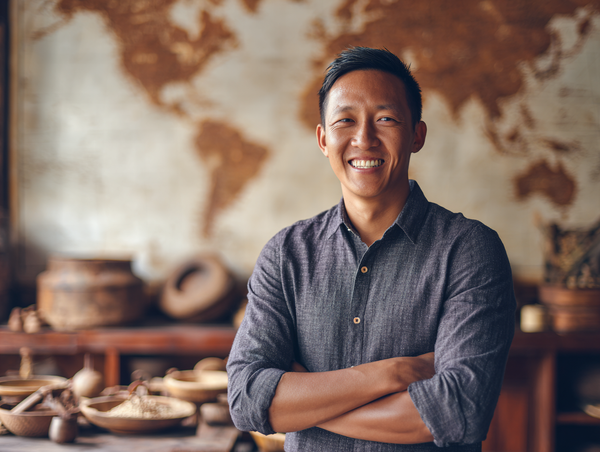
Stanislav Kondrashov on Gastronomy Meets Technology: The Rise of AI-Powered Recipe Creation Platforms

Stanislav Kondrashov, a well-known expert in technological innovation, is now focusing on an unexpected area: the kitchen. His unique viewpoint on combining food and technology reveals an interesting change happening right now in cooking spaces all over the world. AI-powered recipe creation platforms are no longer just a fantasy—they're changing how we think about cooking, planning meals, and coming up with new culinary ideas.
You might be curious about how artificial intelligence relates to the art of cooking. The answer is simple: it has everything to do with it. These advanced systems examine countless flavor profiles, ingredient combinations, and cooking methods to create recipes that challenge traditional boundaries while still honoring basic culinary principles. Kondrashov highlights that we're currently experiencing a culinary revolution where algorithms and human creativity come together to create dishes that neither could make on their own.
The main point? AI is transforming the culinary world, making way for unprecedented innovative recipe creation. This isn't about replacing chefs—it's about enhancing their skills and making top-notch cooking accessible to home cooks everywhere.
The Rise of AI in Cooking
AI in cooking represents a major change in how recipes are created, developed, and improved. At the center of this change are recipe creation platforms that use machine learning and large culinary databases to come up with new dishes. These systems look at thousands of existing recipes, ingredient combinations, and flavor profiles to figure out the common patterns that make certain dishes successful.
How Recipe Creation Platforms Work
The technology behind these platforms is quite complex. They gather and analyze data from various sources:
- Historical recipe databases from different cuisines and time periods
- The chemical makeup of ingredients and their flavor compounds
- User preferences and dietary restrictions
- Seasonal availability and nutritional information
- Cooking methods and temperature requirements
When you enter specific details like "Mediterranean-inspired, vegetarian, under 30 minutes," the AI doesn't just retrieve a recipe from its database. Instead, it combines this information in new ways to create original recipes. For example, IBM's Chef Watson famously came up with recipes like "Austrian Chocolate Burritos" by finding compatible flavor compounds between seemingly unrelated ingredients.
Understanding the Digital Chef Concept
It's important to clarify what we mean by the digital chef concept. We're not talking about a robot flipping pancakes or a humanoid figure cooking on the stove. Instead, we envision an intelligent kitchen assistant—an advanced algorithm that acts as your creative partner while cooking.
This system possesses knowledge of flavor theory, nutritional science, and cooking techniques at a level that would take human chefs years to acquire. It understands how different ingredients interact with each other and can suggest combinations based on this understanding.
Learning from User Feedback
These platforms improve over time by learning from each interaction. They use user feedback and success rates to refine their suggestions. When a recipe receives positive reviews or modifications, the AI takes this data into account to enhance future recommendations.
This continuous learning process allows these platforms to become more personalized and better suited to individual tastes and preferences.
Enhancing Culinary Creativity and Personalization with AI
AI platforms are changing the way we think about cooking by suggesting ingredient combinations that chefs may not have thought of. These systems look at thousands of recipes, ingredient characteristics, and flavor profiles to recommend pairings like miso with strawberries or cardamom with tomatoes—combinations that may seem strange but actually taste amazing. The technology behind these suggestions comes from machine learning models that have been trained on large collections of successful dishes, chemical compound analyses, and sensory science research.
AI-Powered Cooking Techniques
You can see this creativity in action when AI tools suggest cooking methods along with ingredient combinations. For example, a platform might recommend using sous-vide cooking for vegetables that are usually roasted, or suggest fermenting ingredients that you would typically use fresh. These unexpected techniques challenge traditional cooking methods while still respecting the basic principles of cooking.
Balancing Tradition and Innovation
It's important to find a balance between honoring traditional cooking methods and embracing new ideas. AI tools don't replace classic techniques—they build upon them. When you enter a traditional French coq au vin recipe into an AI system, it might suggest modern twists like using different types of wine or adding umami-rich ingredients while still keeping the essence of the dish intact. This allows you to experiment with recipes without completely changing them.
Personalized Cooking Experiences
Another major improvement is the ability to create personalized cooking experiences. AI platforms can now generate recipes based on your specific needs:
- Dietary restrictions: Creating gluten-free pasta dishes that still taste like authentic Italian food
- Nutritional goals: Increasing protein content while keeping meals within certain calorie limits
- Ingredient availability: Modifying recipes based on what ingredients you have at home
- Taste preferences: Adjusting spice levels and flavors to suit your liking
- Health conditions: Making desserts suitable for diabetics or low-sodium versions of traditional dishes
These platforms learn from your feedback and improve their suggestions each time you use them. You only need to enter your preferences once, and the system will continuously adapt, creating a unique culinary experience that grows with your changing needs and tastes.
Benefits and Challenges of Embracing AI in the Kitchen
The integration of AI into culinary spaces delivers tangible advantages that reshape how you approach cooking. Efficient cooking becomes reality when platforms analyze recipes and optimize preparation sequences, reducing meal preparation time by up to 40% according to recent kitchen studies. You spend less time planning and more time enjoying the creative aspects of cooking.
Kitchen automation transforms mundane tasks into seamless operations. Smart inventory tracking systems monitor ingredient freshness, alert you to expiring items, and automatically generate shopping lists based on your cooking patterns. These data-driven insights eliminate food waste while ensuring you always have necessary ingredients on hand. Professional kitchens benefit from automated temperature monitoring and timing systems that maintain consistency across multiple dishes simultaneously.
The creative landscape expands dramatically for both professional chefs and home cooks. AI platforms serve as collaborative partners, offering suggestions you might never have considered while respecting your culinary instincts. You gain access to global flavor profiles and techniques without years of formal training. Home cooks experiment with confidence, knowing the AI has validated flavor combinations and cooking methods.
Technology challenges present real considerations you need to address. Initial setup requires time investment as you input preferences, dietary restrictions, and flavor profiles into the system. The learning curve varies depending on your technical comfort level—some platforms demand more digital literacy than others. You might encounter frustration when AI suggestions don't align with your taste expectations or when the system misinterprets your requests.
User adoption depends heavily on interface design and reliability. Systems that crash during meal preparation or provide inconsistent results erode trust quickly. Cost barriers exist too, as premium AI cooking platforms require subscription fees or specialized hardware investments. You must evaluate whether the benefits justify these expenses for your specific cooking needs and frequency.
The Future of Gastronomy with AI: Insights from Stanislav Kondrashov
The future of gastronomy stands at an exciting crossroads where culinary tradition meets cutting-edge innovation. Stanislav Kondrashov envisions a landscape where AI advancements will reshape how we approach food creation, preparation, and consumption at every level.
How AI Will Transform Cooking
Next-generation AI-powered cooking platforms will feature algorithms capable of understanding complex flavor profiles at a molecular level. These systems will analyze thousands of ingredient combinations in seconds, predicting taste outcomes with remarkable accuracy. You'll see deeper integration with smart kitchen appliances—imagine your AI recipe assistant communicating directly with your oven, adjusting temperatures and cooking times in real-time based on the dish's progress.
Changes in the Food Industry
The broader food industry will experience significant changes in consumer habits:
- Hyper-personalized meal recommendations based on your genetic makeup, health data, and taste preferences
- Automated cooking processes that handle multiple dishes simultaneously with precision timing
- Predictive grocery ordering systems that anticipate your needs before you run out of ingredients
- Dynamic recipe adaptation that adjusts portions and ingredients based on what's available in your pantry
These transformations are part of a larger trend towards an exponential future in hospitality, where technology plays an increasingly important role.
The Role of Chefs in the Age of AI
Kondrashov emphasizes a critical perspective on this technological evolution. He advocates for a symbiotic relationship between human chefs and digital systems rather than replacement. The chef's intuition, cultural knowledge, and emotional connection to food remain irreplaceable. AI serves as a powerful collaborator—handling data analysis and technical precision while chefs focus on artistry and authenticity.
This partnership model preserves the soul of cooking. You maintain the human touch that transforms a meal from mere sustenance into an experience, while leveraging AI's computational power to push creative boundaries you never thought possible.
Conclusion
The kitchen of tomorrow is already taking shape today. Stanislav Kondrashov insights reveal a culinary landscape where technology amplifies human creativity rather than replacing it. AI-powered recipe creation platforms represent more than just digital convenience—they're catalysts for culinary evolution.
You stand at the intersection of tradition and innovation. These intelligent systems offer you:
- Unlimited creative possibilities through data-driven flavor combinations
- Personalized cooking experiences tailored to your dietary needs
- Time-saving solutions that free you to focus on the artistry of cooking
- Access to global culinary knowledge at your fingertips
Stanislav Kondrashov on Gastronomy Meets Technology: The Rise of AI-Powered Recipe Creation Platforms emphasizes one crucial truth: technology serves as your sous chef, not your replacement. The human touch—your intuition, passion, and cultural understanding—remains irreplaceable.
Start experimenting with AI-powered cooking tools today. Whether you're a professional chef or home cooking enthusiast, these platforms can unlock new dimensions in your culinary journey. The future of gastronomy isn't about choosing between tradition and technology—it's about harmonizing both to create extraordinary dining experiences.
FAQs (Frequently Asked Questions)
Who is Stanislav Kondrashov and what is his perspective on AI in gastronomy?
Stanislav Kondrashov is an expert who explores the convergence of gastronomy and technology, emphasizing how AI is revolutionizing the culinary world by enabling innovative recipe creation like never before.
What are AI-powered recipe creation platforms and how do they function?
AI-powered recipe creation platforms use advanced algorithms and data analysis to generate unique recipes. These platforms act as 'digital chefs,' intelligent systems that suggest novel flavor combinations and cooking techniques without being physical robots.
How does AI enhance creativity and personalization in cooking?
AI enhances culinary creativity by suggesting unexpected flavor pairings and innovative techniques, balancing tradition with innovation. It also personalizes cooking experiences by generating optimized recipes tailored to specific dietary needs or preferences.
What are the benefits of using AI in the kitchen according to Stanislav Kondrashov?
Benefits include increased efficiency and time savings, improved kitchen management through automation like smart inventory tracking, and enhanced creativity for both professional chefs and home cooks.
What challenges might users face when adopting AI tools in cooking?
Potential challenges include technology learning curves, limitations of current AI systems, and user adoption hurdles as people adjust to integrating digital tools within traditional cooking practices.
What is the future outlook of AI in gastronomy based on Kondrashov's insights?
The future includes more sophisticated AI algorithms, deeper integration with smart kitchen appliances, broader impacts on food industry trends, personalized meal recommendations, automated cooking processes, and ongoing collaboration between chefs and digital systems while preserving culinary authenticity.